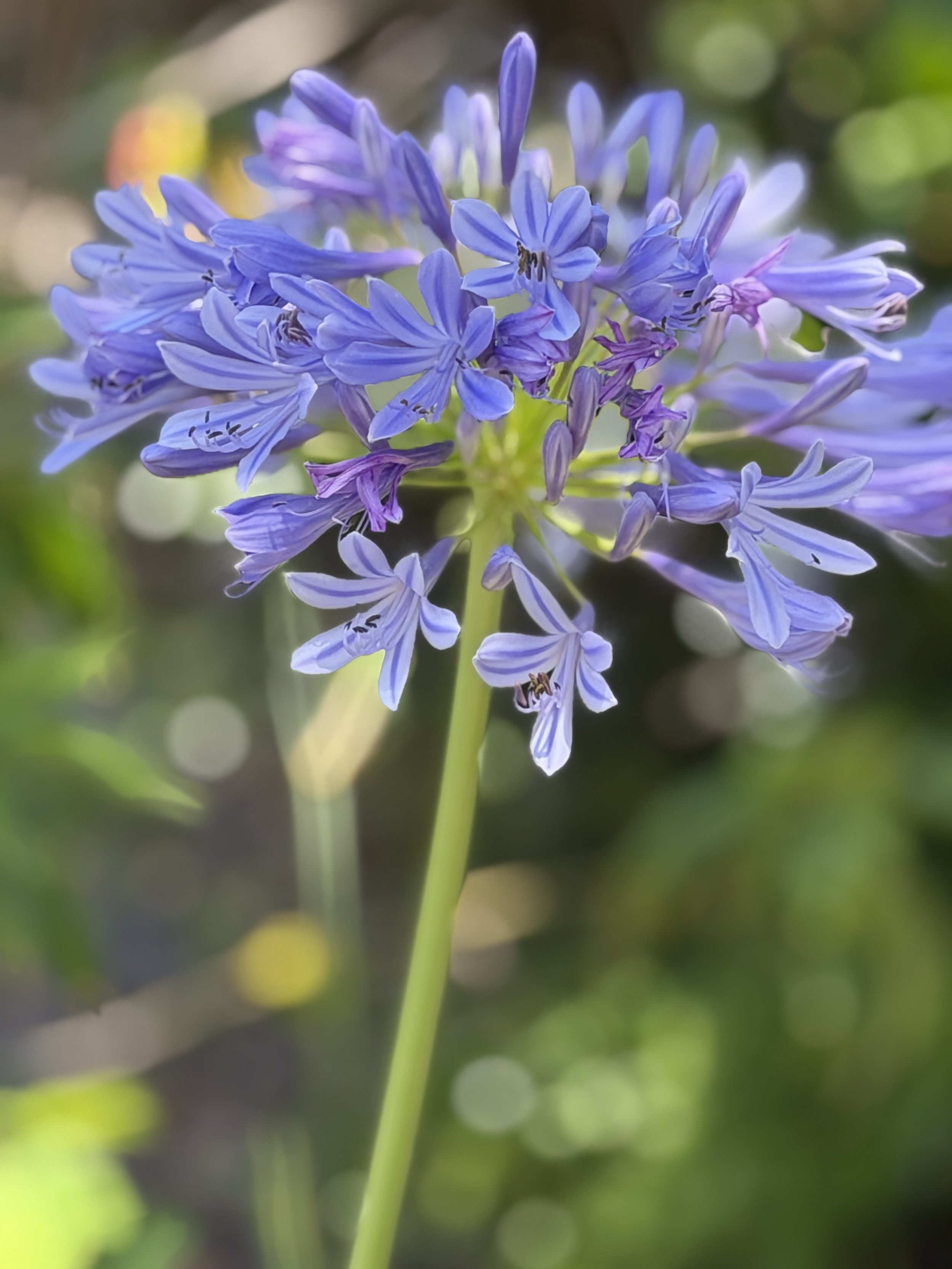
What Florida-Friendly Landscaping Actually Means
More Than Just a Landscaping Trend
“Florida-Friendly Landscaping” is a phrase many people have heard, but not everyone fully understands. Some assume it simply means planting native plants. Others picture landscapes that look wild, overgrown, or purely naturalistic. And some think it only refers to drought tolerance.
In reality, Florida-Friendly Landscaping is about something much deeper: creating landscapes that work with Florida’s environment instead of constantly fighting against it.
Florida’s climate is intense. Heat, humidity, sandy soil, hurricanes, heavy rain, and seasonal droughts all shape the way our landscapes grow. Yet many traditional landscapes are built around plants that struggle in these conditions. To keep them alive, homeowners often rely on constant irrigation, fertilizers, pesticides, and high maintenance.
The problem is that everything used in the landscape eventually impacts the environment around us. Excess fertilizer and chemicals don’t simply disappear. They move through stormwater systems and into Florida’s lakes, rivers, bays, and groundwater.
At its core, Florida-Friendly Landscaping is about understanding that our landscapes are connected to the larger ecosystem around us.
The Right Plant in the Right Place
One of the biggest principles of Florida-Friendly Landscaping is simple: choose the right plant for the right place.
That means selecting plants that can naturally handle:
Florida heat
Humidity
Sandy soil
Salt exposure
Seasonal flooding and drought
When plants are properly matched to their environment, they become healthier and far easier to maintain. They require less supplemental water, fewer chemicals, and less overall intervention.
In many cases, struggling plants are not “bad” plants—they are simply in the wrong location.
Florida-Friendly Landscaping encourages homeowners to observe their yard more carefully:
Where does water collect?
Which areas dry out quickly?
Where is the strongest afternoon sun?
Which plants consistently thrive?
The landscape often tells us exactly what it needs if we pay attention.
Florida-Friendly Does Not Mean Messy
One of the biggest misconceptions is that Florida-Friendly landscapes cannot look polished or professionally designed.
That could not be further from the truth.
You can still have:
Clean lines
Structured hedges
Tropical aesthetics
Colorful gardens
Modern designs
HOA-friendly curb appeal
Florida-Friendly Landscaping is less about a specific style and more about the function behind the design.
A landscape can be environmentally responsible while still feeling intentional, elegant, and beautiful.
Supporting Wildlife Matters
Another important part of Florida-Friendly Landscaping is supporting wildlife and pollinators.
As Florida continues to grow and develop, natural habitats for birds, butterflies, bees, and other pollinators continue to shrink. Residential landscapes now play an important role in helping support biodiversity.
Even small additions can make a difference:
Native plants
Nectar plants
Host plants for butterflies
Flowering shrubs
Layered plantings that provide shelter
A single yard may seem small, but collectively these spaces create important habitat corridors for wildlife.
A More Sustainable Way to Garden
Ultimately, Florida-Friendly Landscaping is about long-term sustainability.
It asks us to shift our mindset away from controlling nature and toward working alongside it. Instead of forcing landscapes to survive through constant maintenance and resources, Florida-Friendly principles encourage landscapes that are resilient, adaptable, and better suited to Florida’s natural conditions.
That does not mean perfection. Every landscape will have challenges. But when we begin designing with Florida’s environment in mind instead of against it, landscapes become healthier, easier to maintain, and more beneficial for both people and the planet.
A successful Florida landscape is not one that merely survives—it is one that thrives naturally in the place where it is planted.
And remember… always keep growing. 🌿