Weeds in Florida: What They Are and How to Keep Them at Bay
If you garden in Florida, you know one thing for certain: weeds are persistent. They aren’t just opportunistic—they’re downright resilient. And here in the Sunshine State, weeds don’t just come from the ground beneath your feet. Many arrive as seeds carried on the wind, hitching a ride from neighboring yards, your clothes, pets, construction sites, or even roadsides.
Understanding where weeds come from and why some are so stubborn is the first step in keeping your garden healthy and beautiful.
Nut Sedge: The Florida Gardener’s Nemesis
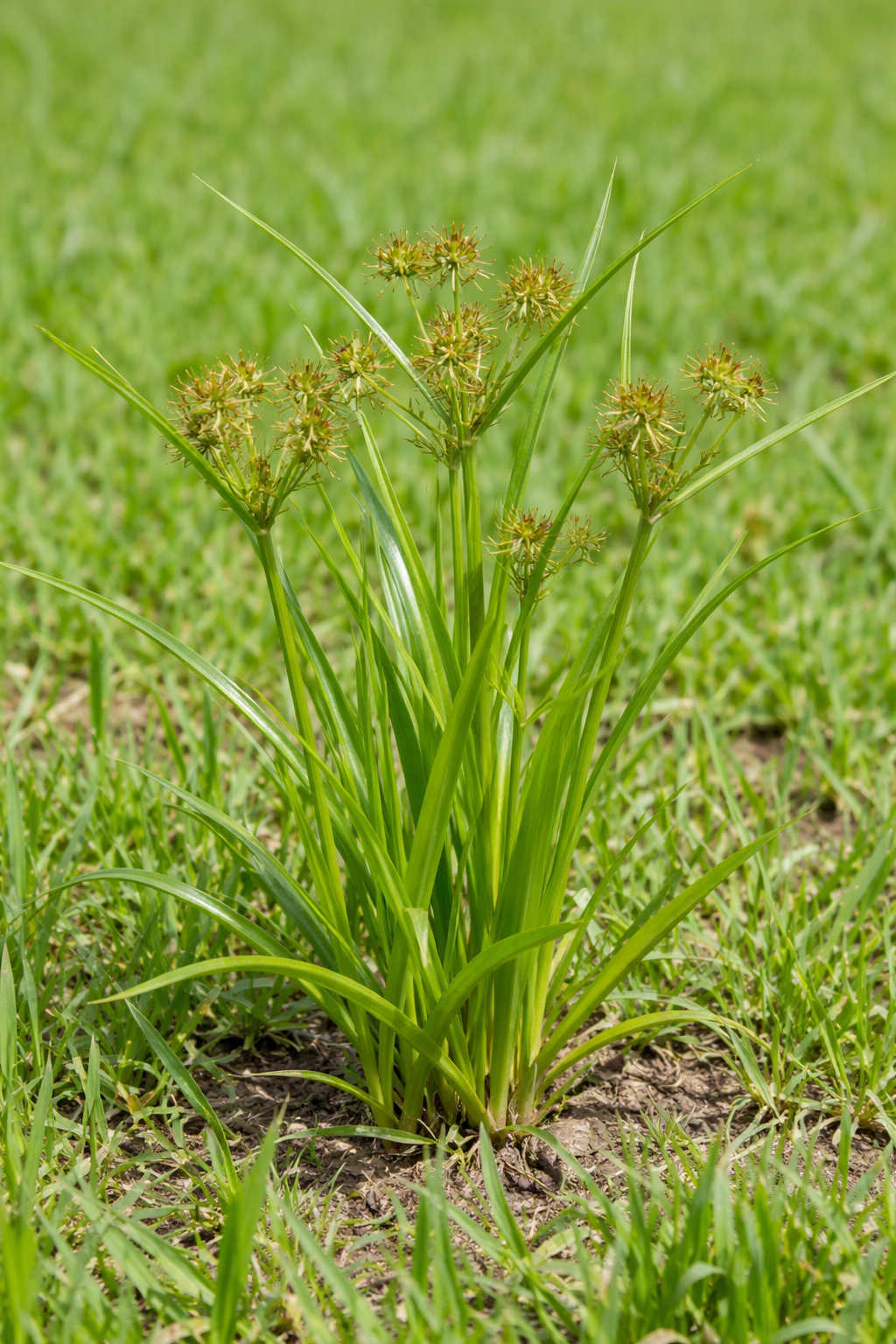
One of the most infamous weeds in Florida is nut sedge (Cyperus spp.). Often mistaken for grass, nut sedge spreads through underground tubers, making it extremely difficult to eliminate once it’s established. Even if you pull the visible shoots, any remaining tubers can sprout new growth, sometimes multiple times in a single season.
Key points about nut sedge:
Grows rapidly in moist soil
Produces seeds that blow in, spreading even further
Resistant to mowing and frequent cutting
Requires persistent management, often a combination of hand removal and targeted herbicides
Water Wisely: Too Much Can Encourage Weeds
Ironically, one of the best ways to prevent weeds is also something many gardeners overlook: proper watering. Overwatering creates a favorable environment for weeds, especially nut sedge, crabgrass, and other opportunistic species.
Tips for water-smart gardening:
Water deeply but less frequently to encourage deep root growth for your desired plants
Avoid letting your soil stay soggy, especially in landscaped beds
Use mulch to retain moisture in plant beds while discouraging weed seeds from germinating.
Weed Prevention Strategies
Prevention is always easier than fighting weeds after they’ve taken hold. Consider these strategies:
Mulch, mulch, mulch: A 2–3 inch layer of mulch blocks sunlight and prevents weed seeds from germinating. Trying Pine straw will also help suffocate seeds from germinating.
Proper spacing: Crowded plants create shaded areas where weeds can thrive.
When Spraying Makes Sense
Sometimes, herbicides are necessary, especially for persistent weeds like nut sedge. Best practices include:
Spot treat weeds rather than blanket spraying to protect desirable plants
Use Florida-approved, targeted herbicides for sedges and grassy weeds
Apply during active growth for maximum effectiveness
Always follow label instructions and consider environmentally safe options
The Takeaway
Weeds in Florida are part of the landscape—but they don’t have to take over yours. By understanding their sources, choosing proper watering techniques, preventing germination, and using targeted interventions when necessary, you can keep your garden looking healthy, vibrant, and low-maintenance.
Remember: healthy soil, smart plant placement, and consistent observation are your best tools. A little effort now prevents big battles later—especially with nut sedge.